
Romania has become a practical option for foreign workers looking for legal employment in Europe, but the process is not as simple as arriving with a job offer and starting work. The country has clear immigration pathways, and most employment-related procedures pass through the General Inspectorate for Immigration, often known as IGI.
For foreign nationals planning to live and work in Romania, the first step is understanding which permit, visa, and residence route applies. Employers also carry part of the responsibility, especially when a work authorisation is required before the worker can apply for a long-stay visa.
This guide explains the main Romanian immigration steps for foreign workers, what documents are usually involved, and how support from Red Maple can help applicants and employers avoid common mistakes.
This article is for general information only and is not legal advice. Immigration rules can change, so applicants should always check the latest instructions from IGI, the Romanian Ministry of Foreign Affairs, or the relevant Romanian consulate.
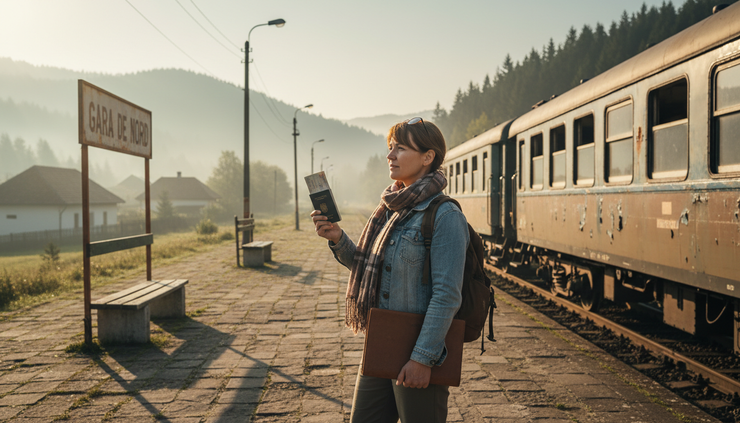
Romania’s immigration system gives foreign workers a defined route
Romania provides legal pathways for foreign nationals who want to work, settle, or stay for approved purposes. For employment, the process usually involves more than one authority and more than one stage.
The most common route includes:
- A Romanian employer offering a job
- An employment authorisation or work permit process managed through IGI
- A long-stay visa application through a Romanian consulate, when required
- Entry into Romania within the visa validity period
- A residence permit application after arrival
The exact path depends on nationality, the type of work, the employer, the worker’s qualifications, and whether the person is already legally present in Romania.
Romania is an EU member state, but employment immigration for non-EU nationals is still handled under national rules. That means a Romanian job offer does not automatically grant the right to work. The worker and employer must follow the official process before employment begins.
For many applicants, the biggest misunderstanding is timing. A work-related immigration file is not usually completed in one appointment. It often starts with the employer in Romania, then moves to the worker’s visa application abroad, then continues with residence registration after arrival.
The main authorities involved in employment immigration
IGI is the key institution for immigration and residence matters in Romania. It handles procedures linked to employment authorisations, residence permits, renewals, and immigration status checks.
Romanian consulates and diplomatic missions also play an important role. In many cases, a foreign worker must apply for a long-stay visa before travelling to Romania for employment. This is usually done from the country where the applicant legally lives.
A typical employment case may involve:
| Stage | Main authority | What usually happens |
| Job offer and employer file | IGI | The employer requests approval to hire a foreign worker |
| Long-stay visa | Romanian consulate | The worker applies for permission to enter Romania for employment |
| Arrival and residence | IGI | The worker applies for or obtains a residence permit |
| Renewal or change | IGI | The worker updates status when the job, employer, or permit period changes |
The employer’s role is important because Romania generally links the right to work to a specific authorised employment basis. Workers should make sure the employer understands the process and is prepared to submit accurate documents.
A foreign worker should avoid starting work before the correct authorisation is in place. Unauthorised work can create problems for the worker, the employer, and future immigration applications.
Work permits and long-stay visas are separate steps
A work permit and a long-stay visa are often discussed together, but they are not the same thing.
The work authorisation stage usually concerns whether a Romanian employer may legally hire a foreign national for a specific job. The long-stay visa stage concerns whether the worker may enter Romania for that purpose.
For many non-EU workers, the sequence looks like this:
- The Romanian employer identifies a candidate.
- The employer prepares the file for employment authorisation.
- IGI reviews the employer’s request.
- Once approved, the worker applies for a long-stay employment visa.
- The worker enters Romania after the visa is issued.
- The worker completes the residence permit process after arrival.
This is why planning matters. A worker may have a signed offer but still need official approval before travelling or starting work. A delay in one document can affect the rest of the file.
Common document categories may include:
- Valid passport
- Job offer or employment contract documents
- Employer registration documents
- Proof of qualifications or work experience, where needed
- Criminal record certificate, if requested
- Medical insurance or health-related documents, depending on stage
- Proof of accommodation in Romania
- Passport-style photographs
- Payment proof for applicable fees
Documents issued outside Romania may need translation, legalisation, or an apostille, depending on where they were issued and what the Romanian authority requests.
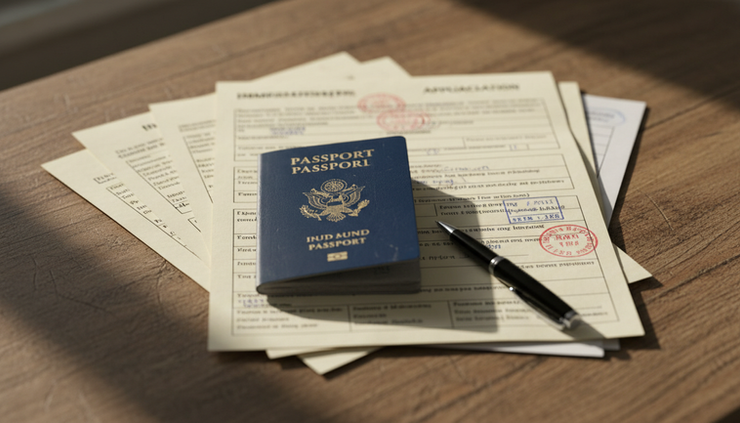
Residence permits confirm the right to stay after arrival
The long-stay visa allows entry for a specific purpose, but it does not replace the residence permit. After arriving in Romania, a foreign worker usually needs to complete the residence process with IGI.
The residence permit is the document that confirms legal stay for the approved purpose. It may be tied to employment, assignment, study, family reunification, or another immigration category.
For foreign workers, the residence permit normally reflects:
- The purpose of stay
- The validity period
- Personal details
- The legal basis for residence
- Sometimes, information connected to the employment route
Workers should pay close attention to expiry dates. Renewals usually require preparation before the current document expires. Waiting until the last moment can create serious risk, especially if updated employer documents, accommodation proof, or other supporting papers are needed.
A change in circumstances can also require action. For example, changing employer, job role, address, or family situation may affect the immigration file. Some changes must be reported to IGI or may require fresh approval.
The safest approach is to treat immigration status as an active responsibility, not a one-time formality.
What foreign workers should check before accepting a job in Romania
A job offer is only useful if it can support a legal immigration process. Before relying on an offer, a foreign worker should ask practical questions.
Is the employer legally registered in Romania?
The employer must be able to support the relevant work authorisation process.
Does the employer understand its immigration obligations?
Some employers regularly hire foreign workers. Others may be new to the process and need guidance.
Is the job role clear and consistent?
The title, duties, salary, and location should match across documents where required.
Are qualifications needed for the role?
Some jobs may require proof of education, training, certification, or experience.
Will the worker apply from abroad or from within Romania?
The answer can change the steps, timing, and required documents.
Is there enough time for document preparation?
Police clearances, translations, legalised documents, and consular appointments can take time.
A strong immigration file is built on consistency. If the job offer says one thing, the employer file says another, and the visa application says something else, the case may face delays or questions.
Common reasons applications are delayed
Romania’s immigration process is structured, but delays can happen when files are incomplete or unclear. Many problems are preventable.
Common issues include:
- Missing translations
- Expired passport or short passport validity
- Inconsistent spelling of names across documents
- Unclear job duties
- Incorrect visa category
- Incomplete employer documentation
- Missing proof of accommodation
- Late residence permit renewal
- Documents submitted without required certification
- Applying before the employer-side approval is ready
Even a small error can slow down a file. For example, a worker may have the right professional background, but if a certificate is not translated correctly, the authority may ask for clarification. That means more time, more follow-up, and sometimes a missed travel plan.
Romania Immigration Updates for Foreign Workers What You Need to Know is not only about new rules. It is also about understanding the order of the process and avoiding steps that create problems later.

Other immigration categories may apply in some cases
Not every foreign national entering Romania for work uses the same route. Some may fall under different categories depending on the purpose of stay and the type of activity.
Examples may include:
- Highly qualified employment
- Posted workers
- Intra-company transfers
- Seasonal work
- Family reunification linked to a worker already in Romania
- Study followed by employment, where allowed
- Business or commercial activities, subject to the correct category
Choosing the wrong category can create problems even when the person has a genuine reason to enter Romania. A worker sent temporarily by a foreign company may not fit the same route as someone directly hired by a Romanian employer. A family member joining a worker will likely need a different residence basis from the main employee.
This is where careful case review helps. The right route should match the facts, not just the fastest appointment or the easiest form.
Employers also need to prepare carefully
Romanian employers hiring foreign nationals should not treat immigration as an afterthought. The employment plan, recruitment timeline, start date, and onboarding process should all account for immigration steps.
Before hiring, employers should check:
- Whether the role can support a foreign worker application
- Which documents the company must provide
- Whether the worker needs a visa before arrival
- How long internal document preparation may take
- Whether the contract details match immigration requirements
- What happens if the worker changes role or location
Employers should also keep records. Immigration authorities may need evidence of the employment relationship, the worker’s legal status, or compliance with permit conditions. Good recordkeeping protects both sides.
Workers benefit when employers are organised. A clear employer-side file can reduce delays and make the worker’s visa and residence steps easier to complete.
How Red Maple can help with Romania immigration procedures
Immigration paperwork can feel manageable at first, then become difficult once official forms, translations, employer documents, and appointment rules come into play. Red Maple can help foreign workers and employers understand the process and prepare more confidently.
Support may include:
- Reviewing the immigration route
- Explaining the steps for work authorisation, visa, and residence
- Helping organise document checklists
- Checking for common consistency issues
- Guiding applicants on timing and next steps
- Supporting employers with process planning
The goal is not to replace the official authorities. IGI and Romanian consulates remain responsible for decisions. Red Maple helps applicants and employers approach the process with clearer documents, better timing, and fewer avoidable errors.
For a foreign worker, that can mean knowing what to prepare before accepting a start date. For an employer, it can mean understanding what must happen before the worker can legally begin.
A practical checklist before starting the process
Before beginning a Romanian employment immigration case, gather the basic facts. This makes it easier to identify the correct path.
Use this checklist as a starting point:
- Confirm the worker’s nationality and current country of residence.
- Confirm whether the worker is inside or outside Romania.
- Identify the Romanian employer and job role.
- Check whether employer-side authorisation is needed.
- Review passport validity.
- Prepare education, experience, or qualification proof if relevant.
- Check whether documents need translation or legalisation.
- Plan for the long-stay visa stage if required.
- Track entry, residence, and renewal deadlines.
- Keep copies of every submitted document.
A clear plan reduces stress. It also helps avoid rushed decisions, such as booking travel before the visa is issued or resigning from a current job before Romanian approval is confirmed.
The key takeaway for foreign workers
Romania continues to offer legal routes for foreign nationals who want to live and work in the country. The process is official, document-based, and usually involves several stages. For most employment cases, the path starts with the employer, continues through the long-stay visa process, and ends with residence compliance after arrival.
The best results come from early preparation. Confirm the correct category, keep documents consistent, watch expiry dates, and do not start work until the required approvals are in place.
Red Maple can help workers and employers make sense of the process and prepare each stage with care. For anyone considering Romania as an employment destination, the right first step is a careful review of the route before any major commitment is made.