
Moving to Malta can be a practical route into work, study, or longer-term residence in Europe, but the paperwork comes first. The key source is Identità Malta, the official government agency that handles immigration services, including visas, residence documents, and residence permits.
For EU nationals, the Expatriates Unit deals with residence documents. For third-country nationals, meaning non-EU, non-EEA, and non-Swiss nationals, it handles residence permits and related processes. This guide is informational only, so always check the latest rules directly with Identità before making travel, employment, or relocation decisions.
Why Malta attracts newcomers
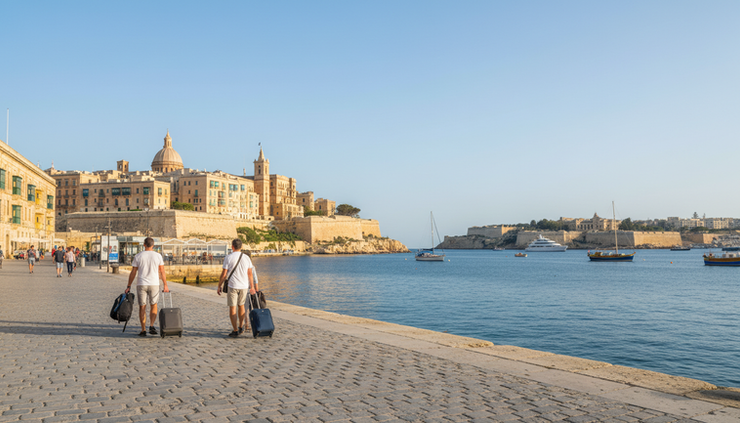
Malta is a small EU member state in the central Mediterranean, with English widely used in public services, business, and education. That makes it easier for many newcomers to manage daily life compared with countries where they first need strong local language skills.
The country also sits within the Schengen Area, which matters for travel planning. A valid Schengen short-stay visa can allow travel within the Schengen zone for limited periods, subject to the visa conditions. This is one reason people often say Malta is the gateway to Europe, although residence and work rights are still controlled by national rules.
Common reasons for moving include:
- Taking up employment with a Maltese employer
- Studying at an approved institution
- Joining family members already living in Malta
- Applying for residence through an eligible legal route
- Exploring Opportunities in Malta before making a longer-term move
The exact route depends on nationality, purpose of stay, job status, and expected duration.
The main immigration authority is Identità Malta
The official website to check is Identità Malta, which publishes information on immigration services, residence card procedures, visa matters, and permit requirements.
This matters because immigration rules can change. Social media posts, old blog articles, and informal advice may miss updated document lists, fee changes, appointment rules, or new application steps. Third-party agents can be helpful in some cases, but they should not replace the official source.
Identità’s Expatriates Unit is especially relevant for newcomers because it deals with:
| Situation | Main document or process |
| EU nationals living in Malta | Residence documents |
| Third-country nationals living in Malta | Residence permits |
| Non-EU workers | Employment-related residence routes, including the Single Permit |
| Longer stays | National visa or residence permit steps, depending on the case |
A good habit is to download or review the official checklist for the exact application type before collecting documents. Identità states that applications are processed only after the required supporting documents have been submitted, so incomplete files can slow things down.
Work permits for non-EU nationals
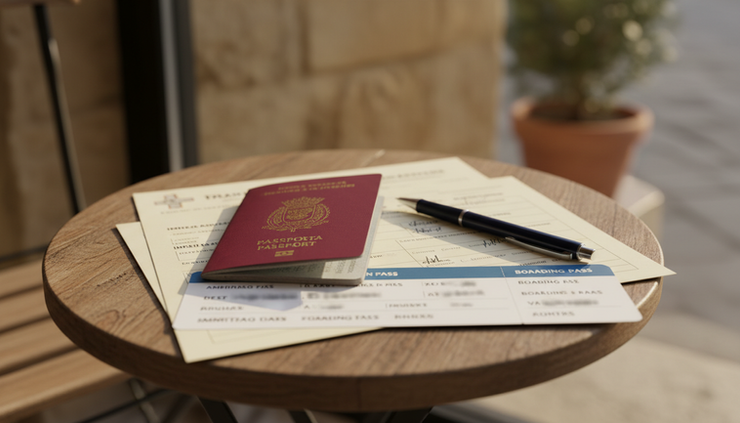
For many non-EU nationals planning to work in Malta for more than six months, the Single Permit is one of the main legal routes. It combines two things in one application:
- Permission to reside in Malta
- Permission to work for a specific employer
A confirmed job offer is normally required. The Maltese employer starts the application online, not the applicant alone. This is a key point, because a person cannot usually treat the Single Permit as a general job-seeking visa.
A typical Single Permit process may involve documents such as:
- A valid passport
- A signed employment contract or job offer
- Proof of qualifications or experience, where relevant
- Health-related documents, if required
- Accommodation evidence, where required
- Any official forms and declarations listed by Identità
The exact list can vary by role, nationality, and policy updates. For regulated jobs, extra evidence may be needed. For example, a healthcare, education, or technical role may require recognised qualifications or registration with the relevant Maltese authority.
The safest approach is simple: use the latest Identità checklist and keep copies of everything submitted.
Visa types depend on the length and purpose of stay
Malta mainly issues two broad visa types for many visitors and newcomers.
Schengen short-stay visa
This is generally for stays of up to 90 days within a 180-day period. It is commonly used for tourism, family visits, short business travel, or other short visits. It does not automatically give the right to work in Malta.
National D-visa
This is for longer stays and may apply when someone needs to enter Malta for a purpose connected to longer residence, work, study, or family reasons. The need for a National D-visa depends on nationality and immigration route.
The purpose of stay is critical. A person coming for a short visit, a student enrolling in a course, and a worker taking up a Maltese job may all need different documents.
How to prepare before applying
Good preparation can prevent avoidable delays. Before submitting any application, check the official Identità page for the current process and compare every required item with the documents already collected.
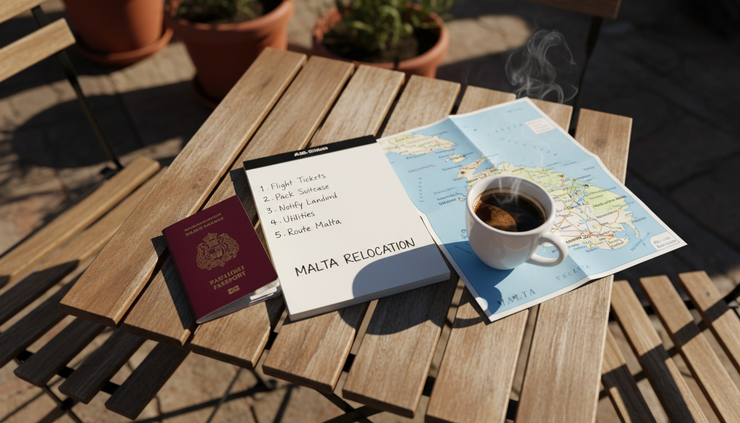
A practical preparation checklist includes:
- Check whether the route matches the real purpose of stay
- Confirm who must submit the application
- Make sure the passport is valid for the required period
- Prepare certified translations if documents are not accepted in their original language
- Keep digital and paper copies of key records
- Review fees and appointment steps on the official website
- Avoid relying only on verbal promises from recruiters or agents
For workers, the employer’s role is central. Applicants should confirm that the employer understands the process and has started the correct online application. If the job offer changes, the permit route may also need review.
For students, the institution should be recognised, and the course details should match the visa or residence purpose. For family-related residence, official proof of relationship and the sponsor’s status in Malta may be needed.
A reliable starting point for immigration checks
The most reliable starting point is the official government website for Identità Malta. Use it to confirm current requirements, document lists, fees, processing rules, and application steps.
If support is needed with recruitment or relocation planning, you can also review practical guidance from Red Maple HR while still verifying immigration requirements through official Maltese sources.
FAQ
Do EU nationals need a residence permit to live in Malta?
EU nationals do not follow the same residence permit process as third-country nationals, but they may need residence documentation if they live in Malta beyond the short-stay period. Identità’s Expatriates Unit handles these residence documents.
Can a non-EU national work in Malta with only a Schengen visa?
A Schengen short-stay visa does not usually give the right to work. Non-EU nationals normally need the correct employment-related authorisation, such as a Single Permit where eligible.
Who starts the Single Permit application?
The Maltese employer generally initiates the Single Permit application online. A confirmed job offer is normally required before this route can move forward.
How long does the process take?
Processing times can vary by application type, document completeness, and current workload. Identità states that applications are processed only once the required supporting documents have been submitted.
Should an applicant use an immigration agent?
An agent may help with paperwork, but the official source should still be Identità Malta. Applicants should verify all requirements, fees, and procedures directly through the government website.
The key takeaway
Malta can be a strong choice for work, study, or residence, but the correct immigration route matters from the start. Check whether the stay is short or long, confirm whether work authorisation is needed, and use Identità Malta as the main source before making plans. Complete documents, a valid purpose of stay, and the right application route are the foundation of a smoother move.